

Colors have always been an integral part of the fashion industry, playing a crucial role in creating standout designs and trends. From bright neon’s, playful pastels to bold primary hues, designers have used a broad spectrum of colors to create unique seasonal collections for their consumers. However, in recent years, there seems to have been a shift away from the use of bright, bold colors and towards more muted, subdued tones. This trend has been observed in various segments of the fashion industry, from haute couture to streetwear. In this blog post, we aim to explore the rationale behind this shift and what factors have contributed to the rise of muted color palettes in the world of fashion.
This blog post will delve deeply into the contributing factors that have caused the rise of muted and subdued color palettes in the fashion industry. Taking into account psychological factors, cultural shifts, nostalgia, social media influence, environmental concerns and the trend towards minimalism. With a comprehensive analysis of these factors, we hope to provide a better understanding of what has caused this shift and what it means for the future of fashion. But before we do that, we need to first understand the history and the impact that luminous colors have had on the fashion industry.
The History and Importance of Luminous Colors in Fashion:
Bright and luminous colors have always been a popular choice in the fashion world. Throughout history, fashion designers have used bright and striking colors to create memorable pieces that stand out. The use of vibrant colors dates back to ancient civilizations as far back as the Egyptians, who used bright colors in their clothing and accessories.
In the 19th century, vibrant colors became increasingly popular due to the development of synthetic dyes, which were more durable and less expensive than natural dyes. This led to the emergence of bold and striking shades such as fuchsia, magenta, and electric blue. These colors were embraced by fashion designers of that time and had a significant impact on fashion trends.
The 20th century saw a rise in experimentation with color in fashion, thanks in part to the technological advancements in color printing and photography. Vivid and bright tones became increasingly popular, with fashion icons such as Audrey Hepburn and Jackie Kennedy favoring the use of such colors in their attires.
In the 21st century, fashion designers continued to use bright and luminous colors as an essential component of their designs. The fashion industry’s use of luminous colors such as neon hues and bold shades has been an integral part of the streetwear movement.
The importance of luminous colors in fashion cannot be overstated. Bright and striking colors can evoke emotions and create a lasting impression. Such colors can add depth and an upbeat vibe to an otherwise simple outfit. They can also be used to make a bold statement or to stand out in a sea of muted colors.
In the fast-paced world of fashion, designers frequently utilize luminous colors to add a fresh and bold touch to their collections. These colors make a lasting impression and help designers create unique pieces that stand out in the crowd. The use of luminous colors is also evident on the runway, where they are used to create stunning looks and to showcase a designer’s creative vision.
In conclusion, the use of luminous colors in fashion has been an integral part of fashion history. These colors have played an important role in creating memorable and striking designs, and they continue to be popular in today’s fashion industry. While there is a growing trend towards muted colors in fashion, the use of bright and luminous colors is still essential for fashion designers who wish to make a statement and create strikingly beautiful pieces.
Reasons for Subdued Use of Luminous Colors in Today’s Fashion World
So, here are the causes that we think has contributed towards this paradigm shift towards muted & subdued colors.
The Rise of Minimalism in Fashion:
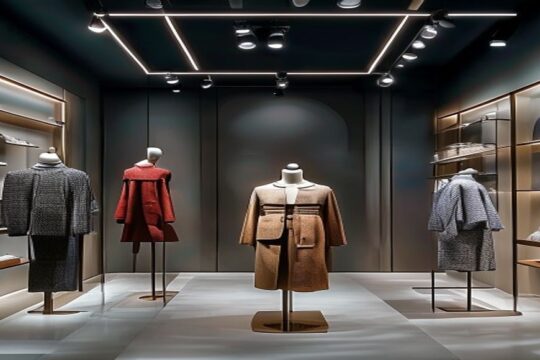
Minimalism might be the new way of luxury in the contemporary fashion world. The minimalist trend advocates the use of simple, understated designs, and the color palette of soft shades reflects just that. Designers tend to avoid the use of bright, bold colors, and opt for muted tones to create a sleek, sophisticated, and timeless look. For example, designers such as Zara, COS, and Everlane create collections based on minimalist aesthetics. The minimalist style is also synonymous with luxury, so the muted color palette seems to have a more polished and upscale vibe.
Environmental Factors:
The fashion industry is one of the largest contributors to environmental pollution, and with global concerns of climate change, sustainable fashion has become a vital factor in fashion production. The production of brightly colored garments requires significant energy usage, chemical dyes, and water consumption. The production of dyes has a significant impact on the environment, such as runoff into water systems, emission of harmful chemicals into the atmosphere, causing air pollution. As a result, designers prefer to opt for more muted tones rather than using bright and luminous colors. More brands and designers are shifting their focus towards eco-friendly production processes. For example, brands such as Stella McCartney, Everlane, and Patagonia use sustainable fabrics and dyes.
Cultural Preferences:
The world has become more interconnected, and cultural preferences play a significant influence in fashion trends. Cultural norms and values dictate fashion choices, where the use of bright and luminous colors might not be as prevalent as in the western world. For example, in Asian cultures, brighter colors are associated with festivities, and lighter, softer colors are considered traditional and elegant. Moreover, certain cultures perceive brighter colors as gaudy or flashy, making them less popular among these cultures. This cultural shift is reflected in the fashion world, where brighter colors are less prevalent in clothing, making a statement for itself.
Social Media Influence:
The rise of social media has led to a surge of influencers in the fashion world. The influence of these individuals can impact designers, brands, and the public’s fashion choices. In recent years, social media has played an essential role in shifting the focus from bright and luminous colors towards muted tones. Influencers showcase looks that are primarily made up of muted colors, such as beige, gray, white, black, and other neutrals. This shift in focus has made these colors more popular and mainstream. For example, Kylie Jenner, who has over 200 million Instagram followers, often features her wardrobe, which reflects the trend towards monotones such as beige, black, or white.
Psychological Factors:
Colors evoke emotions and feelings that can impact how individuals perceive fashion choices. It is a well-known fact that vibrant and bright colors have a powerful effect on the psyche, raising the adrenaline level and creating an energetic, and upbeat mood. However, some consider this “too much” and prefer a more relaxed state of mind. When it comes to muted and subtle colors, the impact is the opposite. Muted tones can create a sense of calm, tranquility, and relaxation, which can be appealing to some individuals. The use of muted colors can be associated with comfort and can be more wearable and versatile in everyday life. At times, the use of bright and luminous colors might not be taken as seriously, and can be perceived as being too showy or flashy. Using subdued colors can provide an appropriate balance that can emanate a professional and confident vibe.
Classic and Timeless Trends:
Fashion trends come and go, but classics stay. The use of more subdued colors, rather than bright and luminous ones, tends to represent a classic and timeless aesthetic. The muted palette is more versatile and can have a lasting impact in the fashion industry, whereas bright and bold colors can become over-saturated quickly. This shift might be a reflection of a societal shift towards minimalism and simplicity, which is what classics represent. Classic designs are made to last and can be incorporated in any wardrobe. Muted colors can be effortlessly mixed and matched, which is why they are the go-to choices for fashion enthusiasts who believe in a minimalist lifestyle.
Nostalgia:
As fashion trends continue to change at rapid speeds, we often look back to past decades for inspiration. The 90s fashion was all about muted tones, and the minimalism aesthetic is straight from the 70s era. There has been a growing trend in recent years towards nostalgia for old styles, and the use of muted colors can be a reflection of that. Nostalgia for a simpler era where less was more, could be why the fashion industry is shifting towards a more subdued color palette. The fashion world is known for its cyclical nature, and what was popular 20-30 years ago, might be what’s trending in the present.
Conclusion:
Change is an inevitable part of life, including the fashion world. The use of colors is an integral part of the fashion industry, and over the years, the preferences in color palettes have shifted. In recent years, there has been a growing preference for muted, subdued colors, with vibrant, luminous colors being less common.
The shift towards the use of more subdued colors compared to bright and luminous ones in the fashion industry is a reflection of the changes in demographics, culture, and shifting societal values. This also shows shift in preference is a result of a combination of factors such as cultural preferences, a rise in sustainability, the rise of minimalism, and social media influence. The use of muted colors provides a modern, sleek, sophisticated, and timeless look that seems to be here to stay. The shift towards the use of muted colors is an indication that fashion is reflecting the societal shift towards sustainability, minimalism and cultural interconnectedness.
Interested in learning more about fashion? Check out some of the fashion designing courses offered by IIFT.





Discussion