

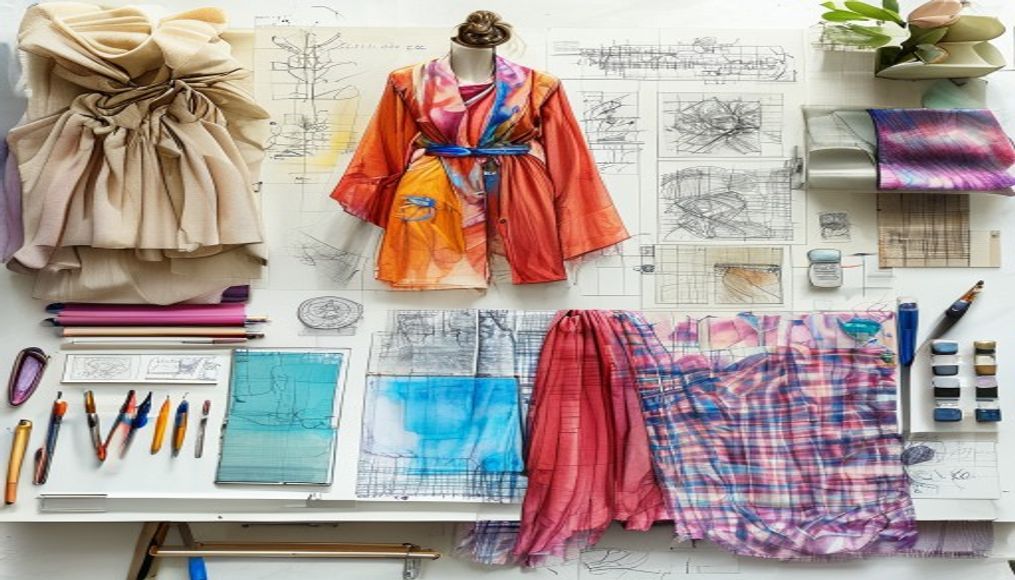
Quick answer: Fashion illustrator jobs use drawing to communicate garments, styling, proportion, material or mood for a defined audience. Some assignments are expressive and editorial; others require accurate product or client visuals. Work may be part of a design team, styling project, communication studio, event service or freelance practice. This guide explains the deliverables, skills and portfolio choices that help an illustrator become useful, recognisable and reliable.
What fashion illustrator jobs require
People searching for fashion illustrator jobs usually need more than a definition or a list of attractive outcomes. They need to understand the work involved, the evidence that proves quality, the trade-offs between options and the checks required before committing time, money or a portfolio claim.
What fashion illustrator jobs includes
Fashion illustration can support concept development, editorial storytelling, styling, retail communication, custom client work and technical product development. These contexts do not require the same image. A career-ready illustrator must show visual identity as well as accuracy, speed, file discipline and the ability to interpret a brief through revisions.
How to evaluate fashion illustrator jobs decisions
Use the guide as a decision sequence rather than a list of ideas. Begin with the purpose of fashion illustrator jobs, compare the available options, test the technical or practical requirements, and document why one choice is more suitable than another. The tables provide a quick orientation; the subsections that follow explain what to inspect, what evidence to retain and which mistakes create avoidable rework.
| Illustration context | Primary purpose | Portfolio evidence |
|---|---|---|
| Design development | Explore silhouette and details | Series from concept to resolved look |
| Client visualisation | Show a proposed outfit clearly | Accurate, readable options |
| Editorial communication | Create mood and narrative | Distinctive finished artwork |
| Technical support | Clarify products or details | Clean flats and callouts |
| Live or event work | Produce quick personalised pieces | Speed, consistency and setup plan |
| Illustration context | What the image must communicate | Useful evidence |
|---|---|---|
| Concept development | Silhouette, proportion, attitude and range | Exploration plus selected direction |
| Editorial or campaign | Narrative, mood and recognisable styling | Finished series with consistent art direction |
| Custom or client | Approved likeness, garment and occasion | Brief, sketch approval and final delivery |
| Technical development | Construction and proportion without pose distortion | Front/back flats and callouts |
| Live or event work | Fast, consistent interpretation | Timed samples and event workflow |
How to compare fashion illustrator jobs options
Do not treat the tables as a universal ranking. Compare concept development, editorial or campaign, custom or client, technical development against the actual brief, user, place, role or production condition. For each row, write down the evidence available, the assumption being made, the risk if that assumption is wrong and the person who can confirm it. An option becomes stronger when it solves the defined need with fewer unresolved conflicts; it does not become stronger because its label sounds more advanced or visually impressive.
What fashion illustrator jobs evidence to record
Create a small decision record for fashion illustrator jobs before producing the final output. At minimum, make space for target context identified, expressive and technical work separated, strong series on opening pages, at least one process case study, scans and exports checked, along with dates, file or sample versions and review comments. Decide what can be verified immediately and what must remain provisional. This record makes feedback specific, prevents an outdated instruction from returning later and helps a student explain not only what was made, but how the result improved through observation, testing and correction.
Build the drawing and observation foundation
Master proportion before exaggeration
Stylised figures can be elongated or simplified, but the body still needs balance and the garment must respond to pose. Practise gesture, weight, joints, hands, feet and multiple body types. Controlled exaggeration is a decision; unstable anatomy usually distracts from the clothing and limits the kinds of briefs you can accept.
Show fabric through edge, fold and value
A flowing fabric, crisp textile, knit and embellished surface should not all be rendered with the same marks. Observe how the material hangs, reflects light and changes around the body. Build sample pages comparing textures and explain which tools or brushes were used. Material communication makes illustration more useful to designers and clients.
Develop hand and digital workflows
Traditional media can create immediacy and character; digital tools support correction, layers, colourways and delivery formats. You do not need every medium. Choose a small set that lets you work consistently, then learn scanning, colour correction, file naming, resolution and export. Professional delivery matters as much as the original drawing.
Prepare portfolio work for professional delivery
Separate expressive work from technical flats
A posed illustration communicates mood and styling, while a flat communicates construction and proportion without a figure. Many roles value both, but the outputs are not interchangeable. Label sections clearly in the portfolio and use technical callouts when a client needs detail rather than atmosphere.
Build portfolio series, not isolated favourites
Create small collections around a brief: audience, season, inspiration, silhouettes, materials and final looks. Include exploration and variations so reviewers can see how you think. Add one or two commissioned examples with permission. A coherent series proves you can sustain a visual language across multiple outputs.
Understand rights, credit and delivery
Confirm whether the artwork is licensed for a limited use or transferred, where it will appear, whether credit is provided and which files are included. Keep high-resolution masters and send approved formats. Do not reproduce client concepts in unrelated work. Clear commercial terms protect both the illustration and the relationship.
Separate expressive, technical and client-facing evidence
Separate expressive figures from technical flats
Expressive illustration can exaggerate pose, movement and proportion to communicate a mood. A technical flat removes the figure and shows the garment in a controlled front, back or detail view. Some jobs need one, some the other and many need both. Label portfolio sections clearly. A beautiful posed figure cannot replace an accurate closure or seam detail, while a flat alone may not communicate the desired emotional character.
Build a portfolio with range and consistency
Open with the work closest to the target role, then show a coherent series rather than unrelated one-off images. Include different materials, garment categories, poses, skin tones and presentation contexts without sacrificing a recognisable approach. Add one process spread with references, thumbnails, line development, colour tests and revision. For digital work, show clean edges, layers and final export quality; for hand work, scan or photograph accurately and correct colour without erasing the medium’s character.
Interpret briefs and manage corrections
Extract audience, purpose, garment priority, pose, crop, medium, palette, background, quantity, deadline, file format and usage. Confirm references and approval stages before rendering detail. Share thumbnails first, then a selected sketch, then colour. This makes late structural changes less likely. Record which aspects are fixed and which remain open. If a client asks to imitate a living artist or copy protected campaign work, propose an original direction based on broader visual attributes.
Understand employment, freelance and hybrid paths
An illustrator may work within a design, communication, retail or product team, take commissioned projects, teach, license artwork or combine illustration with flats, print, styling or graphic layout. Income therefore depends on role, location, employment type, output, rights and reliability; a single salary figure can mislead. Compare current job descriptions and written offers, and evaluate whether the work builds evidence toward the path you want.
When working on fashion illustrator jobs, decisions that depend on changing safety, workplace, regulatory or professional requirements should be checked against the current project conditions and relevant guidance. Useful verification points include National Qualification Register fashion designer role. These references support a specific decision; they do not replace measurements, approvals, manufacturer instructions or qualified professional advice.
Practise deliberately and control the handoff
Design deliberate practice around weak evidence
Audit the portfolio by figure construction, garment behaviour, fabric rendering, hands and faces, composition, colour, technical accuracy, speed and file delivery. Select one gap for a four-week practice series with the same brief constraints, then compare the first and final pieces. Time some exercises to simulate production work and leave others open for refinement. Keep references and note what was observed rather than traced. Deliberate series create stronger evidence than occasional unrelated drawings and make progress visible to a reviewer.
Prepare files for professional handoff
Confirm canvas size, resolution, colour mode, background, layers, naming, bleed where relevant and required formats before finishing. Keep editable source files organised and package linked assets or fonts only when licensing permits. Export a proof and inspect it at the intended viewing size. For print or product use, request the production specification rather than guessing. Include a delivery note listing files, colourways, permitted use and any unresolved item. Good handoff protects illustration quality after it leaves the artist’s screen or sketchbook.
Worked example: converting one brief into three outputs
fashion illustrator jobs scenario and decision
For a festive capsule, the concept team may need loose figures exploring silhouette and movement. The product team may need accurate front-and-back flats with embroidery placement. A campaign deck may need one polished hero illustration with a defined crop and palette. An illustrator who can explain these three purposes—and deliver separate files—shows more professional judgement than someone who applies one drawing style to every stage.
fashion illustrator jobs evidence to retain
Review the fashion illustrator jobs work against evidence rather than presentation alone. A second reviewer should be able to locate evidence for target context identified, expressive and technical work separated, strong series on opening pages, at least one process case study; follow the current version; and identify what changed after testing or feedback. Record assumptions that still need confirmation and name the person responsible for resolving each one. This prevents a polished page or render from concealing an incomplete technical, operational or learning decision.
A step-by-step fashion illustrator jobs workflow
Complete the stages in order, but return to an earlier stage whenever new evidence changes the brief. Keep one current version of the decision record so that sketches, drawings, files, samples or approvals do not drift apart.
- Choose a market: Decide whether your first portfolio targets design development, editorial work, clients or live illustration.
- Build two series: Create coherent sets with different materials, poses and levels of finish.
- Add process: Show thumbnails, line development, colour tests and the final export.
- Prepare delivery: Standardise file sizes, names, colour mode and a simple approval process.
- Seek feedback: Ask reviewers whether the garment, material and intended use are immediately clear.
At every handoff, state what is approved, what remains provisional and what must be checked next. This small discipline makes the workflow easier to review and converts activity into evidence that can be discussed in a portfolio, interview or project meeting.
Review illustration quality before presenting the portfolio
fashion illustrator jobs quality-control checklist
- Target context identified
- Expressive and technical work separated
- Strong series on opening pages
- At least one process case study
- Scans and exports checked
- Brief and approval stages documented
- Usage rights discussed
- Contribution described accurately
fashion illustrator jobs mistakes and their consequences
- Using one identical face, pose and body type for every brief.
- Rendering every fabric with the same brush or fold pattern.
- Mixing technical flats and expressive figures without explaining the purpose.
- Showing only finished images, leaving no evidence of problem-solving.
- Sending high-resolution editable files without agreed usage and payment terms.
fashion illustrator jobs final independent review
Review the fashion illustrator jobs work against evidence rather than presentation alone. A second reviewer should be able to locate evidence for strong series on opening pages, at least one process case study, scans and exports checked, brief and approval stages documented; follow the current version; and identify what changed after testing or feedback. Record assumptions that still need confirmation and name the person responsible for resolving each one. This prevents a polished page or render from concealing an incomplete technical, operational or learning decision.
Connect illustration with fashion learning at IIFT Bangalore
Related skills for fashion illustrator jobs
Strengthen composition, rhythm, balance and emphasis. For the next step, use fashion design elements and principles.
Organise illustration series and process evidence. The guide on fashion portfolio structure helps you examine that part in depth.
Explore tools for drawing, editing and presentation. Continue with fashion software for illustration and layout when that becomes the next decision.
See how illustration works with broader design capability. For the next step, use fashion designer skills.
Understand teams and functions where visual communication is used. The guide on fashion design career options helps you examine that part in depth.
Position illustration within a broader entry-level job plan. The related guide helps readers map illustration evidence to fresher fashion roles.
Structured learning for fashion illustrator jobs
Readers who want guided studio practice can compare IIFT Bangalore learning options for fashion illustrator jobs. Programme structure and eligibility can change, so ask IIFT Bangalore about current fashion illustrator jobs programme details before making an admission decision.
Questions about fashion illustrator jobs
What does a fashion illustrator do?
A fashion illustrator creates visual communication for design development, clients, editorial stories, products, events or campaigns, depending on the brief.
Do fashion illustrators need digital skills?
Digital delivery is common, so scanning, editing, layers and export are useful even when the original work is hand-rendered.
What should a fashion illustration portfolio contain?
Include coherent series, varied materials and bodies, process, finished work, technical communication where relevant and clear captions.
Can fashion illustration be freelance?
Yes. Freelancers need a defined service, portfolio, pricing, written usage terms, reliable delivery and a process for revisions.
Do fashion illustrators need to sew?
Construction knowledge is valuable because it improves how garments, seams, volume and fit are represented, even when sewing is not the main job.
Is hand drawing still useful?
Yes. Hand and digital methods offer different qualities; professional value comes from choosing and controlling the method required by the brief.
What should a technical-flat portfolio show?
Show consistent scale, front and back views, construction lines, detail callouts, colourways and clean editable files.



Discussion