

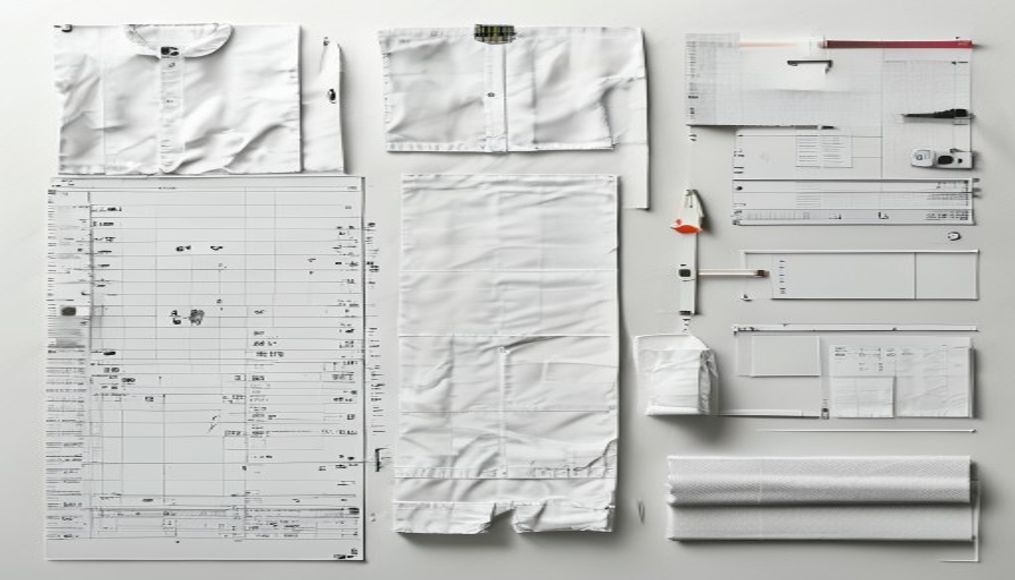
Quick answer: A fashion tech pack is a controlled set of instructions used to communicate how a garment should be developed and produced. It can include technical drawings, measurements, materials, trims, colour details, construction notes, labels, packaging and revision history. A good tech pack reduces assumptions; it does not remove the need for samples, fittings or communication. This beginner guide explains every major component and a practical workflow.
What a fashion tech pack must communicate
People searching for fashion tech pack usually need more than a definition or a list of attractive outcomes. They need to understand the work involved, the evidence that proves quality, the trade-offs between options and the checks required before committing time, money or a portfolio claim.
What fashion tech pack includes
A tech pack is a controlled communication system, not a decorative PDF. Every page should remove a specific ambiguity about shape, measurement, material, construction, colour, labelling or packing. It must also record revisions so the designer, pattern maker, sample team and production team are working from the same approved information.
How to evaluate fashion tech pack decisions
Use the guide as a decision sequence rather than a list of ideas. Begin with the purpose of fashion tech pack, compare the available options, test the technical or practical requirements, and document why one choice is more suitable than another. The tables provide a quick orientation; the subsections that follow explain what to inspect, what evidence to retain and which mistakes create avoidable rework.
| Component | Purpose | Typical detail |
|---|---|---|
| Cover and style identity | Keeps the product identifiable | Style code, season, category and version |
| Technical flats | Shows construction visually | Front, back and important detail views |
| Bill of materials | Lists inputs | Fabric, lining, trims, labels and placement |
| Measurement specification | Defines size and fit | Points of measure, method and tolerance |
| Construction notes | Clarifies assembly | Seams, stitches, finishes and reinforcement |
| Tech-pack page | Decision communicated | Typical control |
|---|---|---|
| Cover and style summary | Identity, season, category and owner | Style code and revision |
| Technical flats and callouts | Shape, seams, components and placement | Front, back and detail views |
| Bill of materials | Every fabric, trim, label and component | Code, colour, supplier and consumption note |
| Measurement specification | Finished-garment dimensions | Point of measure, base size and tolerance |
| Construction and workmanship | How components are assembled and finished | Stitch, seam, SPI or finish note where relevant |
How to compare fashion tech pack options
Do not treat the tables as a universal ranking. Compare cover and style summary, technical flats and callouts, bill of materials, measurement specification against the actual brief, user, place, role or production condition. For each row, write down the evidence available, the assumption being made, the risk if that assumption is wrong and the person who can confirm it. An option becomes stronger when it solves the defined need with fewer unresolved conflicts; it does not become stronger because its label sounds more advanced or visually impressive.
What fashion tech pack evidence to record
Create a small decision record for fashion tech pack before producing the final output. At minimum, make space for unique style code and revision, front, back and necessary detail views, complete bom, pom diagram and units, base-size measurements and justified tolerances, along with dates, file or sample versions and review comments. Decide what can be verified immediately and what must remain provisional. This record makes feedback specific, prevents an outdated instruction from returning later and helps a student explain not only what was made, but how the result improved through observation, testing and correction.
Establish the style and product information
Begin with a stable design
A tech pack should document a design that is developed enough to explain. Resolve the intended silhouette, key details, closure, material direction and size basis before filling pages. If major decisions are still changing, mark the document as an early development version and avoid presenting uncertain information as final.
Draw technical flats for clarity
Technical flats are proportionate line drawings of the garment without a posed figure. Include front and back views and enlarge details such as pockets, pleats or fastenings when needed. Use consistent line weight and callouts. The objective is not artistic expression; it is to let another person identify every relevant construction feature.
Build an accurate bill of materials
List the main fabric, secondary fabric, lining, interlining, buttons, zips, thread, labels, packaging and other inputs. Include descriptions, composition, colour reference, size, placement and supplier information when available. Update the list when a sample uses an approved substitute so the document reflects the current product.
Translate the design into production instructions
Define measurements and how to take them
A point-of-measure chart needs more than numbers. Specify the size, measurement location, method, units and tolerance. A chest width measured flat is not the same as a body circumference. Add a diagram or code system, and ensure the same point is used in every fit review. Measurement changes should be dated and traceable.
Write construction notes that answer likely questions
Document seam type, stitch, hem, edge finish, reinforcement, topstitch distance, placement and special handling. Use a detail sketch when a sentence could be misread. Keep notes close to the relevant callout. If the method is open to sampling, say what must be achieved—such as clean drape or strength—rather than pretending the method is already approved.
Control revisions and sample comments
Use a version number, date and change log. After each sample, record the issue, requested correction, responsible person and approval status. Never overwrite an old approved measurement without history. Revision control allows the design, sourcing and production teams to work from the same instructions and reduces the risk of an outdated file being used.
Control flats, measurements, materials and revisions
Technical flats and callouts must be unambiguous
Draw front and back views at a consistent scale and add detail views where construction cannot be understood. Use arrows that terminate at the correct component, number complicated callouts and keep terminology consistent. Do not hide seam lines under decorative shading. If a sketch could represent two different constructions, add a section, close-up or written instruction. Separate design intent from a production method you have not confirmed; the sample room may recommend a better method after testing.
Points of measure, base size and tolerance
A measurement table needs a unique POM code, description, method of measurement, base-size value and unit. Add a diagram showing exactly where each measurement begins and ends. Tolerance describes acceptable variation, not a target for careless work. It should reflect the garment, fabric, process and quality expectation. After a fitting, record the sample measurement, requested change and approved value rather than overwriting history. Grading rules belong in a controlled section once the base fit is approved.
Bill of materials, colourways and placement
List shell fabric, lining, interlining, thread, closures, buttons, elastic, labels, packaging and any other component required to make and deliver the style. Give each item an identifier and specify colour or finish by colourway. A swatch image helps recognition but should not replace a code or physical approval where colour accuracy matters. Show label and trim placement using diagrams, including orientation and distance from a defined seam or edge.
Sample comments and revision control
Use one revision log with date, version, owner, change and approval status. Fit comments should identify the observed issue, measurement or construction affected, requested action and evidence required at the next sample. Annotated photographs can support the note, but avoid vague comments such as ‘make it better’. Lock approved pages and distribute the complete new version; sending separate corrected pages increases the risk that an old instruction survives in production.
When working on fashion tech pack, decisions that depend on changing safety, workplace, regulatory or professional requirements should be checked against the current project conditions and relevant guidance. Useful verification points include National Qualification Register fashion designer role. These references support a specific decision; they do not replace measurements, approvals, manufacturer instructions or qualified professional advice.
Create a reliable issue-and-handoff process
Create a single source of truth for every style
Store the current pack in one controlled location and make its status obvious: draft, sample review, approved or superseded. Use the same style code on sample tags, measurement sheets, artwork and comments. When a change affects several pages—such as fabric, zipper length or finished measurement—update every dependent reference and list the affected pages in the revision log. Archive old versions without allowing them to remain in the active folder. This administrative discipline is part of technical design because a perfectly written instruction is useless if the wrong version reaches the sample or production team.
Run a handoff review before issuing the pack
Ask another person to interpret the pack without verbal explanation. Can they identify the approved colourway, base size, measurement method, component, placement, stitch or finish and latest revision? Check that every callout has a destination, every BOM item appears in the drawing or notes, and every measurement uses the stated unit. Resolve contradictions between illustration and text. Confirm which decisions still require a physical sample, lab test, supplier approval or fit review. The pack should reduce assumptions while clearly marking what remains provisional; false precision can be as risky as missing information.
Worked example: a basic T-shirt tech pack
fashion tech pack scenario and decision
A beginner T-shirt pack could include a style cover, front and back flats, neck and sleeve details, a BOM for jersey, rib, thread, labels and packaging, a base-size measurement table, POM diagram, stitch and seam notes, colourway page, label-placement diagram and revision log. During the first fitting, the team may record body length, chest, shoulder, sleeve opening and neck stretch observations. The revised pack should show exactly which numbers or notes changed and why, allowing the next sample to be checked against one controlled source.
fashion tech pack evidence to retain
Review the fashion tech pack work against evidence rather than presentation alone. A second reviewer should be able to locate evidence for unique style code and revision, front, back and necessary detail views, complete bom, pom diagram and units; follow the current version; and identify what changed after testing or feedback. Record assumptions that still need confirmation and name the person responsible for resolving each one. This prevents a polished page or render from concealing an incomplete technical, operational or learning decision.
A step-by-step fashion tech pack workflow
Complete the stages in order, but return to an earlier stage whenever new evidence changes the brief. Keep one current version of the decision record so that sketches, drawings, files, samples or approvals do not drift apart.
- Assign a style code: Use one identifier consistently across drawings, sample tags and communication.
- Create flats: Draw the front, back and details, then label construction features.
- List materials: Record every fabric, trim, label and packaging component with colour and placement.
- Add specifications: Define points of measure, grading basis and acceptable tolerance.
- Review the sample: Log fit and construction comments, update the version and secure approval.
At every handoff, state what is approved, what remains provisional and what must be checked next. This small discipline makes the workflow easier to review and converts activity into evidence that can be discussed in a portfolio, interview or project meeting.
Review the pack before sample or production handoff
fashion tech pack quality-control checklist
- Unique style code and revision
- Front, back and necessary detail views
- Complete BOM
- POM diagram and units
- Base-size measurements and justified tolerances
- Construction and workmanship notes
- Colourway and placement controls
- Sample comments with approval status
fashion tech pack mistakes and their consequences
- Copying a generic template without adapting the pages to the garment.
- Using only inspiration images instead of technical flats and callouts.
- Providing measurements without a defined point or method.
- Leaving materials or colour references ambiguous.
- Sending revised files without a visible version number and change log.
fashion tech pack final independent review
Review the fashion tech pack work against evidence rather than presentation alone. A second reviewer should be able to locate evidence for complete bom, pom diagram and units, base-size measurements and justified tolerances, construction and workmanship notes; follow the current version; and identify what changed after testing or feedback. Record assumptions that still need confirmation and name the person responsible for resolving each one. This prevents a polished page or render from concealing an incomplete technical, operational or learning decision.
Extend product-development skills at IIFT Bangalore
Related skills for fashion tech pack
Explore applications that can support flats, layouts and documentation. For the next step, use digital tools for fashion design.
Keep proportion and visual hierarchy clear while resolving the product. The guide on fashion principles behind clear product decisions helps you examine that part in depth.
Understand how three-dimensional development influences specification decisions. Continue with fashion draping fundamentals when that becomes the next decision.
Place technical communication within the broader designer skill set. For the next step, use professional fashion design skills.
Present a selected tech-pack extract without exposing confidential data. The guide on fashion portfolio development helps you examine that part in depth.
Understand when specification work enters the learning sequence. The related guide helps readers place technical communication within the fashion syllabus.
Structured learning for fashion tech pack
Readers who want guided studio practice can compare IIFT Bangalore learning options for fashion tech pack. Programme structure and eligibility can change, so ask IIFT Bangalore about current fashion tech pack programme details before making an admission decision.
Questions about fashion tech pack
Is a tech pack the same as a fashion sketch?
No. A fashion sketch communicates the design idea, while a tech pack gives controlled technical instructions for development, sampling and production.
What software is used to make tech packs?
Designers use vector drawing, spreadsheet and product-development tools. Clear structure and accurate information matter more than the brand of software.
Does every garment need the same tech-pack pages?
No. Adapt the document to product complexity, material, construction, sizing and production needs.
When is a tech pack final?
It becomes production-ready only after materials, fit, measurements, construction and sample corrections are approved and the current version is controlled.
Is a tech pack the same as a pattern?
No. The pack communicates design and product specifications; the pattern defines the shapes used to cut the garment. They must be coordinated.
When should grading be added?
Develop the base-size fit first. Add or confirm grade rules only after the approved base measurements and fit logic are stable.
Can one tech pack cover several colourways?
Yes, when construction and measurements are shared, but every colourway still needs unambiguous material, trim, artwork and labelling references.





Discussion